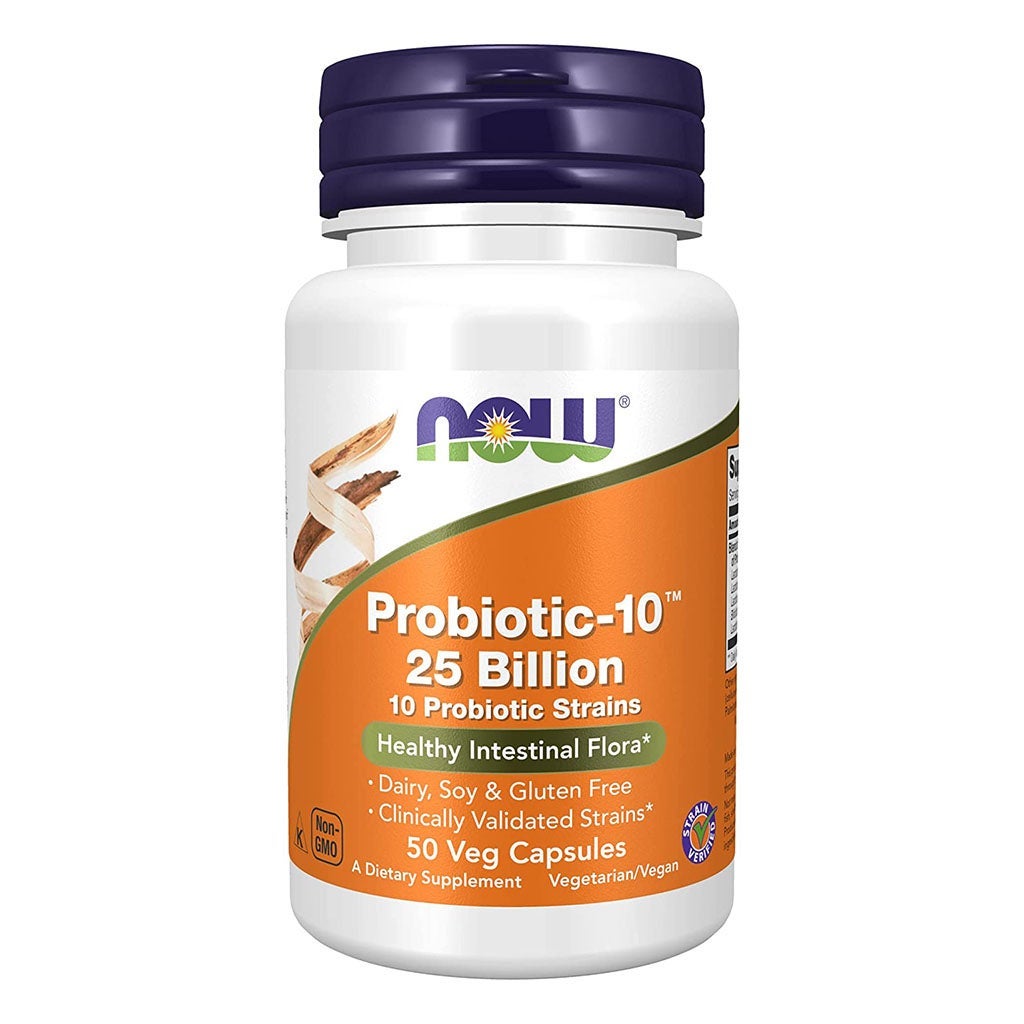
If you’re looking for a probiotic supplement to add to your daily wellness routine, choosing the right product can be confusing. Probiotics vary in the number of live cultures, strains, ingredients, serving size, and price.
In this guide, we’ll compare popular probiotic supplements and highlight the key factors to consider before buying.
What Should You Look for in a Probiotic?
When comparing probiotics, consider:
- CFU count: Look at the number of colony-forming units listed on the label.
- Number of strains: Different products contain different probiotic strains.
- Prebiotics: Some formulas include prebiotic ingredients alongside probiotics.
- Serving size: Check how many capsules or servings are recommended.
- Storage: Follow the manufacturer’s storage instructions.
- Quality and labeling: Choose products with clear ingredient and serving information.
1. Physician’s CHOICE Probiotics 60 Billion CFU
This is one of the strongest products to consider for a comparison article. The formula contains 60 billion CFU, 10 probiotic strains, and organic prebiotics. Amazon currently shows more than 144,000 customer ratings and 9K+ purchases in the past week, making it a strong example of consumer demand.
Best for: Readers comparing high-CFU, multi-strain probiotic formulas.
2. Garden of Life Dr. Formulated Probiotics
Garden of Life offers different probiotic formulas, including products designed for men and women. Some formulas combine probiotic strains with organic prebiotic fiber.
Best for: Shoppers looking for a brand with different targeted formulas.
3. Physician’s CHOICE Probiotics for Weight Management & Bloating
This is another Physician’s CHOICE formula that combines probiotic strains with prebiotics and additional ingredients. It is positioned toward consumers interested in gut health and bloating support.
Best for: Readers specifically comparing probiotics marketed around bloating and weight-management support.
How to Choose the Right Probiotic
Don’t choose a probiotic based only on the highest CFU number. Compare the strains, ingredients, serving size, storage requirements, price per serving, and the specific reason you’re considering a probiotic.
Always read the current product label and follow its directions. If you have a medical condition, take medications, are pregnant or breastfeeding, or have questions about whether probiotics are appropriate for you, speak with a qualified healthcare professional.
Final Thoughts
There isn’t one probiotic that is automatically best for everyone. The best choice depends on the formula, strains, ingredients, price, and your individual needs.
For shoppers comparing products, checking the current Amazon price and product details before purchasing can help you make a more informed decision.