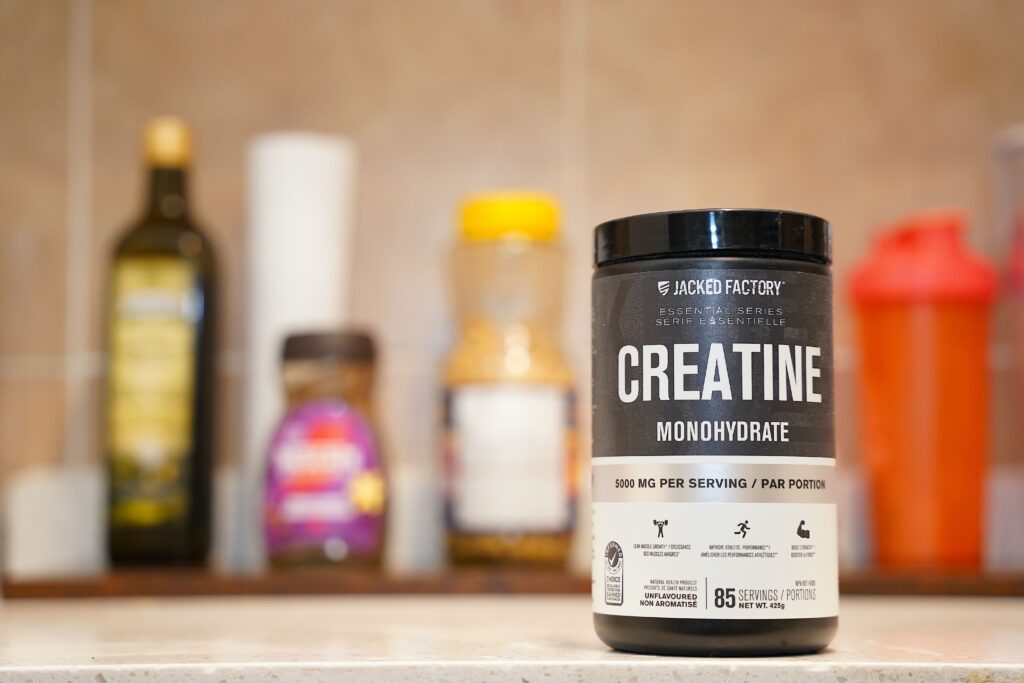


Creatine is no longer considered a supplement only for male bodybuilders. More women are using creatine to support strength training, exercise performance, muscle maintenance, and fitness goals.
Research published in 2026 found that creatine supplementation in females may provide small improvements in selected measures of strength, power, and exercise performance, although researchers note that the evidence is still limited and varies between studies.
If you are looking for the best creatine for women, creatine monohydrate is generally the form to start with because it is the most widely studied form of creatine.
In this guide, we’ll look at what women should consider when choosing a creatine supplement, what to look for on the label, and seven product options worth comparing.
Quick Answer: What Is the Best Creatine for Women?
For most women interested in creatine, creatine monohydrate is a practical starting point.
When comparing products, look for:
- Creatine monohydrate
- Clearly stated serving size
- Minimal unnecessary ingredients
- Good manufacturing practices
- Third-party testing when available
- A price that makes consistent use realistic
7 Best Creatine Supplements for Women in 2026
1. Best Overall Creatine for Women
[Best Overall Creatine for Women1]
If you want a straightforward creatine supplement, a simple creatine monohydrate formula can be a good option. Look for a product with a transparent label and no unnecessary proprietary blend.
Why Consider It?
- Creatine monohydrate formula
- Simple ingredient profile
- Easy to mix with water or another drink
- Suitable for women following strength-training routines
2. Best Budget Creatine for Women
[Best Budget Creatine for Women
Creatine does not need to be expensive. If you plan to use it consistently, choosing a reasonably priced product can make more sense than paying extra for unnecessary ingredients.
Why Consider It?
- Budget-friendly option
- Creatine monohydrate
- Good choice for beginners
- Easy to add to a daily routine
3. Best Creatine Powder for Beginners
[Best Creatine Powder for Beginners
If you’re new to creatine, an unflavored powder can give you more flexibility. You can mix it with water, a smoothie, or another drink you already enjoy.
Why Consider It?
- Simple powder format
- Easy to customize
- No complicated supplement routine
- Good option for first-time users
4. Best Creatine Gummies for Women
[Best Creatine Gummies for Women
Some women prefer gummies because they are convenient and don’t require mixing powder into a drink.
However, always check the Supplement Facts label because gummies may contain additional ingredients or added sugar.
Why Consider It?
- Convenient format
- Easy to take while traveling
- No mixing required
- Useful for people who dislike powdered supplements
5. Best Unflavored Creatine
[Best Unflavored Creatine
Unflavored creatine can be particularly useful if you already have a favorite protein shake, smoothie, or sports drink.
The advantage is flexibility—you can add it to your existing routine without committing to a specific flavor.
Why Consider It?
- No strong flavor
- Easy to combine with other drinks
- Simple ingredient profile
- Convenient for daily use
6. Best Creatine for Women Over 40
[Best Creatine for Women Over 40
Women become increasingly interested in maintaining muscle strength and lean mass as they age. Recent research in postmenopausal women found that creatine, particularly when combined with resistance training, may provide modest improvements in lean mass and strength.
That doesn’t mean creatine is necessary for every woman, but it may be worth discussing with a healthcare professional if you’re interested in adding it to a strength-training routine.
Why Consider It?
- Useful for strength-training routines
- Convenient daily supplement format
- Particularly relevant to women focusing on maintaining muscle as they age
7. Best Simple Creatine Formula
[Best Simple Creatine Formula
If your goal is simply to add creatine to your routine, there may be no need for a complicated formula.
A simple creatine monohydrate product with a transparent label can make it easier to understand exactly what you’re taking.
Why Consider It?
- Straightforward formula
- Easy to compare with other products
- Good option for a simple supplement routine
- Often available in powder form
What Does Creatine Do for Women?
Creatine is stored primarily in skeletal muscle and helps the body rapidly produce energy during short, high-intensity activities. This is one reason it has been widely studied in strength training and sports.
For women, research suggests creatine may help with certain measures of strength and exercise performance, although results vary depending on the population, training program, dosage, and outcome being measured.
Some research has also examined creatine in areas beyond exercise, including muscle health and healthy aging.
The important point is that creatine should be viewed as a supplement to a good diet and exercise routine—not a replacement for either one.
Will Creatine Make Women Bulky?
This is one of the most common concerns.
Taking creatine does not automatically mean you’ll become bulky.
Creatine increases the amount of creatine stored in muscles, and some people may experience an increase in body weight, partly related to water stored in muscle. Mayo Clinic lists weight gain as a possible side effect.
Muscle growth still depends heavily on factors such as resistance training, nutrition, total calorie intake, genetics, and consistency.
How Should Women Choose a Creatine Supplement?
Before buying, check these five things:
1. The Form of Creatine
Creatine monohydrate is the most widely studied form and is commonly used in research.
2. The Ingredient List
A shorter, transparent ingredient list can make it easier to know exactly what you’re purchasing.
3. Quality Testing
Look for brands that provide appropriate quality controls or third-party testing where available.
4. Serving Information
The label should clearly explain how much creatine is contained in each serving.
5. Price Per Serving
Don’t compare products only by the price of the container. Compare the cost per serving so you can see which option offers better value.
Does Creatine Have Side Effects?
Creatine is considered safe for many healthy adults when used as directed, but side effects can occur.
Possible effects include:
- Weight gain
- Digestive discomfort in some people
- Water retention
A systematic review focusing specifically on females found no significant increase in overall adverse events, gastrointestinal events, weight gain, or kidney/liver complications in the analyzed creatine studies.
However, people with kidney disease should speak with a healthcare professional before using creatine because research in this population is limited.
If you’re pregnant, breastfeeding, planning pregnancy, or taking medication, talk with your healthcare professional before starting a new supplement.
Creatine vs. Protein: What’s the Difference?
Creatine and protein serve different purposes.
Protein provides amino acids needed for building and maintaining tissues.
Creatine helps increase the body’s available creatine stores, supporting rapid energy production during high-intensity activity.
For women who strength train, these supplements aren’t necessarily competitors—they can serve different roles within an overall nutrition and fitness plan.
When Is the Best Time to Take Creatine?
You don’t necessarily need a complicated timing strategy.
Consistency is more important than finding a magical time of day.
Many people simply add creatine to a routine they already follow, such as taking it with a meal or after a workout.
Follow the product label and avoid assuming that taking more will produce better results.
Final Thoughts: Which Creatine Is Best for Women?
The best creatine for you is not necessarily the most expensive product or the one with the most marketing claims.
For many women, a simple, high-quality creatine monohydrate is a sensible place to start.
Compare the products above based on:
- Form
- Ingredients
- Serving size
- Quality testing
- Price per serving
- Your personal preferences
If you’re ready to compare today’s prices and product details, check the options on Amazon.
Frequently Asked Questions
Is creatine good for women?
Creatine may support certain measures of strength and exercise performance in women, although the evidence is not equally strong for every outcome. A 2026 systematic review found small positive effects overall but also noted substantial variation and low-to-very-low certainty for some outcomes.
What type of creatine is best for women?
Creatine monohydrate is the most widely studied form and is a practical option for many people.
Does creatine cause weight gain in women?
Some women may notice an increase in body weight, including water associated with increased muscle creatine storage. However, a systematic review of female participants did not find a statistically significant increase in weight gain attributable to creatine supplementation.
Can women take creatine every day?
Creatine is commonly used consistently rather than only on workout days. Follow the instructions on your chosen product and speak with a healthcare professional if you have a medical condition or take medications.
Is creatine only for athletes?
No. Creatine has been studied in women interested in strength training, healthy aging, and other areas beyond competitive sports. However, not every potential benefit is equally well established.
Disclosure: This article contains affiliate links. If you purchase through one of the links, we may earn a commission at no additional cost to you. This does not affect our recommendations.
Medical disclaimer: This article is for informational purposes only and is not medical advice. Talk with a qualified healthcare professional before starting a new dietary supplement.